
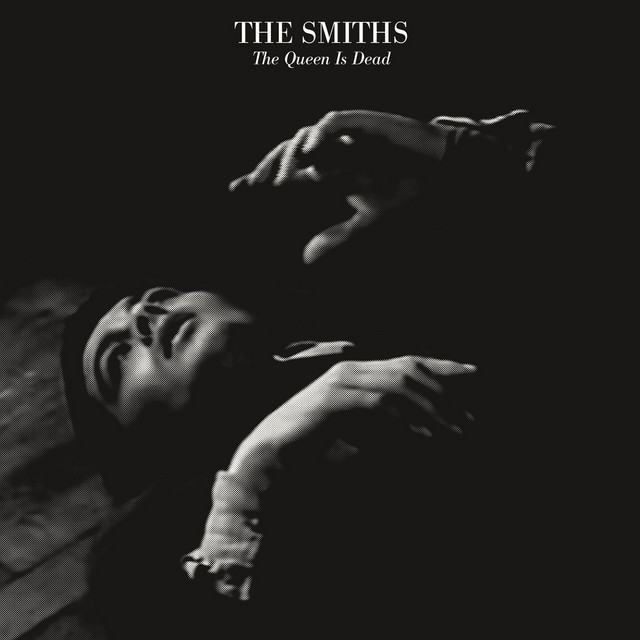
 Some Girls Are Bigger Than Others - 2017 Master
The Smiths
The Radical Neutrality of the Female Body: A Reading of The Smiths’ Closing Track “Some Girls Are Bigger Than Others”
…and why the song is so much more than it seems.

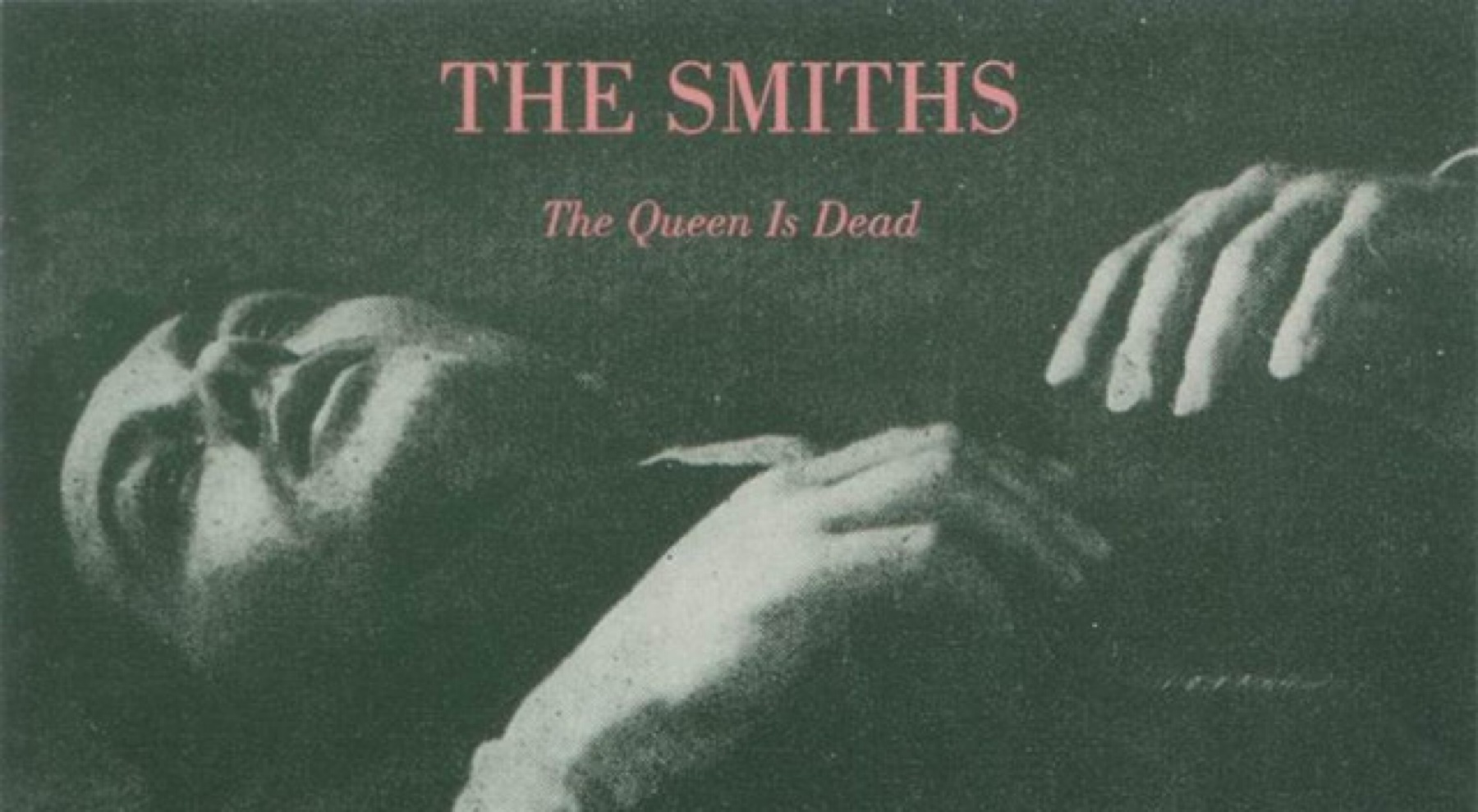
At first glance, The Smiths’ “Some Girls Are Bigger Than Others” (The Smiths’ closing track on their album The Queen Is Dead - released in 1986) appears to many to be a highly absurd and even ‘shallow’ track that barely suits the gloomy guitar tone of Marr’s gorgeous melody. However, beneath its seemingly simplistic lyrics lies a profound depth that makes it one of the band’s most compelling works. The song achieves a perfect juxtaposition, a hallmark of The Smiths, by pairing Morrissey’s anti-climactic, dry lyrics with Johnny Marr’s stunning, melancholic guitar. This contrast not only highlights the individuality of the band members but also serves as a vehicle for a surprisingly radical and deeply feminist statement.
The core of this argument rests on Morrissey’s seemingly absurd, neutral and arguably accepting observation that ‘some girls are bigger than others.’ In the context of the 1980s, an era dominated by beauty standards centred on conventional athletic thinness, this statement is deeply radical. By presenting the physical variance of women’s bodies in such a dry, matter-of-fact manner, Morrissey subverts the era's rigid expectations. The absurdity of the lyrics, when sung over such poignant instrumentation, creates a brilliant juxtaposition that forces the listener to confront the mundane reality of physical difference without the usual cultural baggage.
We can see this stark juxtaposition clearly in the song’s opening line: "From the ice age to the dole age, there is but one concern… I have just discovered, some girls are bigger than others”. Both the ice age and the dole age clearly represent eras characterised by darkness, futility and death. However, while one is naturally occurring, the other is man-made. This highlights the harsh reality of life throughout planet earth’s history, regardless of the cause. Moreover, this contrast could also be read as a metaphor for the female body itself: the "ice age" symbolising the natural, unaltered state of a woman, while the "dole age" represents the highly manufactured, man-made expectations of women, especially during the 1980s when the song was released. During this decade, the booming cosmetic surgery and beauty industries pressured women into spending vast amounts of money to alter their appearances to fit a constructed ideal. By placing these massive historical epochs right next to his observation about women's bodies, Morrissey suggests a biting commentary on societal priorities. He seemingly implies that no matter how large, catastrophic, or historically significant an event may be, society’s collective attention will somehow always inevitably draw back to the scrutiny and modification of a woman’s body.
Furthermore, the song seems to critique the way society observes the female form. The more a woman's body is focused on, whether positively or negatively, the more it creates comparison, regardless of the observer's intention. This creates a highlight of opposites, much like the contrast between the ice age and the dole age. The song underscores a glaring double standard, which still holds today: men's bodies are generally viewed as neutral, ‘textbook’ and inherent, whereas women's bodies are frequently lusted over, sexualised, or forced and/or expected to either cover up or show off for another’s gaze, leaving little room for the female body to be simply seen as a neutral vessel in its own right.
In direct opposition to this societal norm, Morrissey showcases a neutrally dry attitude toward women’s bodies. He observes them without the typical male gaze, stripping away the sexualisation and societal expectations attached to them. By refusing to participate in the objectification or harsh comparison of women, the song transcends its absurd exterior and adds to the very depth that seems to be missing to many listeners.
However, the song is also a masterclass in self-deprecation and the psychology of the Trickster archetype (as defined within modern western society by the infamous Swiss Psychiatrist, Carl Jung). The Trickster is an archetype characterised by mischief, boundary-breaking, and the use of humour, irony, and absurdity to disrupt the status quo and expose hidden truths. This archetype can be seen within the line: "As Antony said to Cleopatra / As he opened a crate of ale... some girls are bigger than others.” which acts as the ultimate Morrissey defence mechanism. According to the Enneagram psychological framework, a Type 4 (the Individualist) is deeply romantic, driven by a need for authenticity, and highly attuned to melancholy, but they often struggle with feeling fundamentally flawed or misunderstood. They frequently use irony and self-deprecation as a protective shield against vulnerability. Many online suspect that Morrissey himself is a Type 4, which I would have to humbly agree with as a Type 4 myself. Morrissey suggestively seems to compare himself to Antony in an epic historical romance, but immediately undercuts it with a metaphorical image of sitting in a mundane pub with a crate of ale. He jokingly writes about physical size likely because he lacks the actual courage to pursue love. As such, this suggests he is mocking his own cowardice, which directly contrasts with the symbolism of the strong, intelligent and confident female figure who we know as Cleopatra. As many Morrissey listeners know, he is well known for using absurdity and irony as a mask to hide from the intimacy he actually craves. This contrasts with moments of pure vulnerability in other areas of his lyricism, such as the nakedly desperate plea in ‘How Soon Is Now?’: "I am human and I need to be loved, just like everybody else does." Yet, even in that song, the vulnerability sits right alongside the absurd, dramatic theatre of standing alone in a club and wanting to die. He is, as many The Smiths’ fans know, a deeply poetic artist who fundamentally holds the absurd and the vulnerable together, which ultimately highlights the duality of Morrissey’s personality throughout his lyricism.
This contradiction is perfectly encapsulated in the song's outro. While "Some Girls Are Bigger Than Others" is largely driven by absurdity and irony, it ends on a startlingly mild and tender opening of vulnerability. Morrissey closes the track by softly singing, "Send me the pillow, the one that you dream on." This is a direct nostalgic reference to the classic 1949 country and pop song “Send me the pillow you dream on” originally written and first recorded by Hank Locklin. By ending on this soft, romantic plea, Morrissey drops his usual ironic mask entirely for only a few seconds before the song dramatically fades into black. After all the seemingly humorous remarks about women’s body sizes and Cleopatra, the song reveals its true, beating heart: a desperate, simple longing for connection, care, and someone to dream about, while suggestively separating that exact yearning for connection from the theme of sexual intimacy itself.
Ultimately, this intricate layering of absurdity and profound social commentary is exactly why I love The Smiths. The sweeping, melancholic beauty of Marr’s guitar provides the tragic and emotional weight that Morrissey's ironic lyrics try to hide, which highlights a very human experience of multifaceted contradiction. The band's ability to take a seemingly silly premise and elevate it into a subjective statement about the harsh realities of life, history, politics, gender dynamics, and personal/romantic insecurity is precisely what makes their music so enduring.
In conclusion, this is precisely why I love the song “Some Girls Are Bigger Than Others". In my view, this track perfectly highlights the individuality of each band member in the most metaphorical way, demonstrating that even at their most absurd, The Smiths’ music always has something timeless and deeply meaningful to say, even when the very opposite seems to be the case.
Comments
Sign in to comment