Pink Moon
Track 1Just Drake and his guitar, no band or strings. There's one addition on the whole album and it's single piano line on this track.
Just Drake and his guitar, no band or strings. There's one addition on the whole album and it's single piano line on this track.

Stevie Nicks wrote it in about ten minutes, with a drum pattern and a cassette player, in Sly Stone’s old room at the Record Plant.

For 33 years it played slightly too fast. A tape machine had run slow at the first session.
Track by track.
Write about any album, playlist or artist.
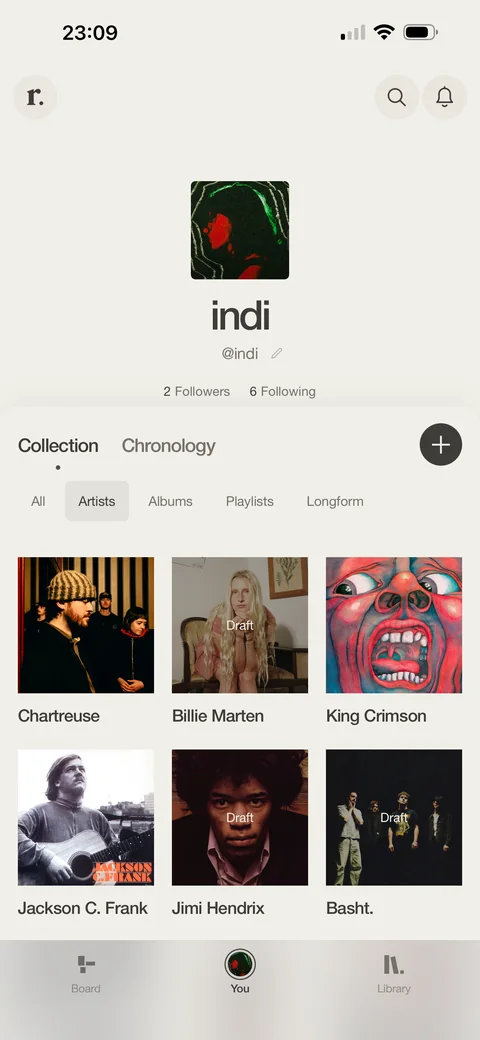
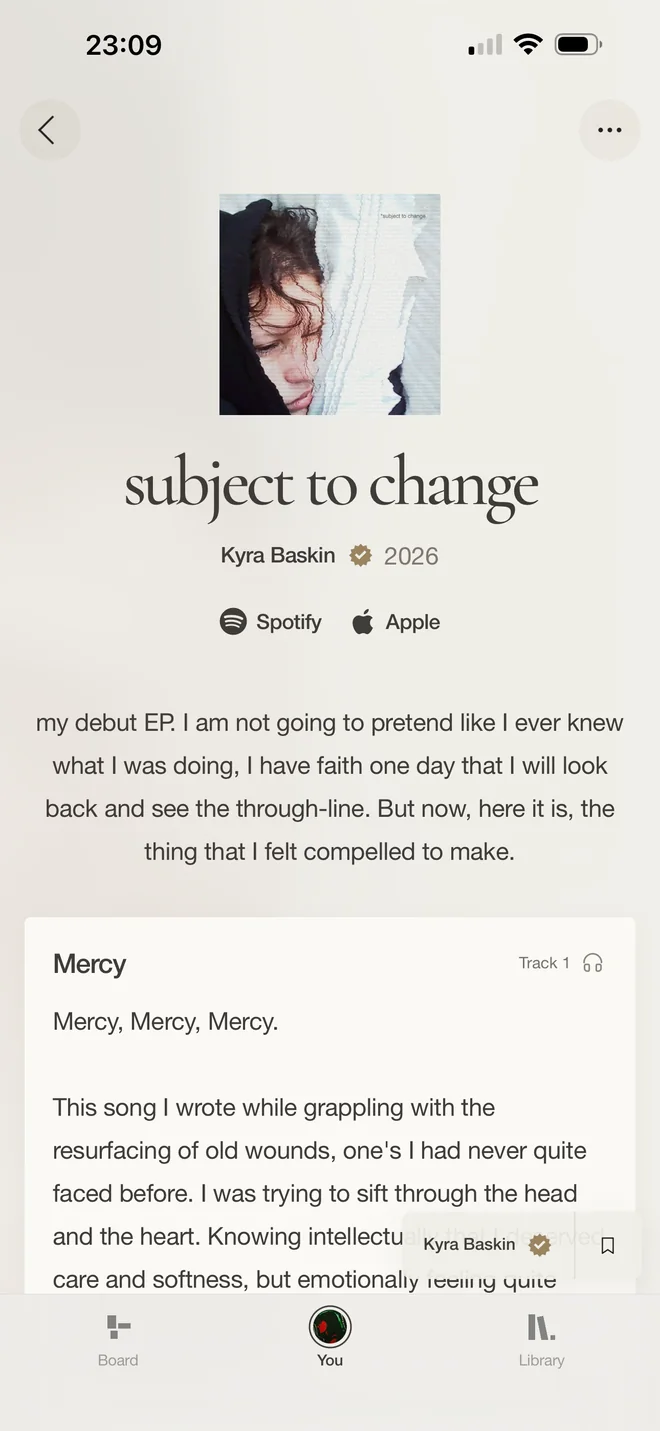
Artists write notes on their own records.
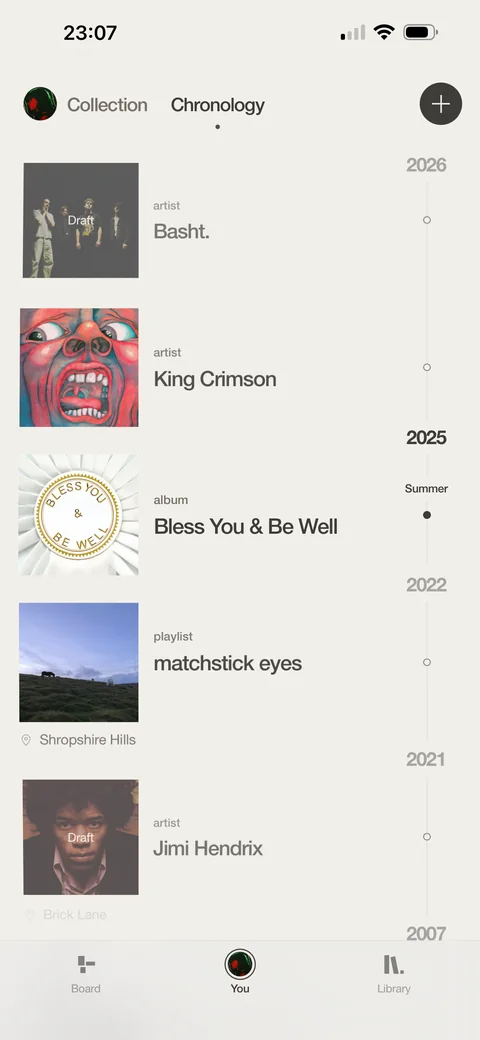
Keep a record of when and where you first heard it.
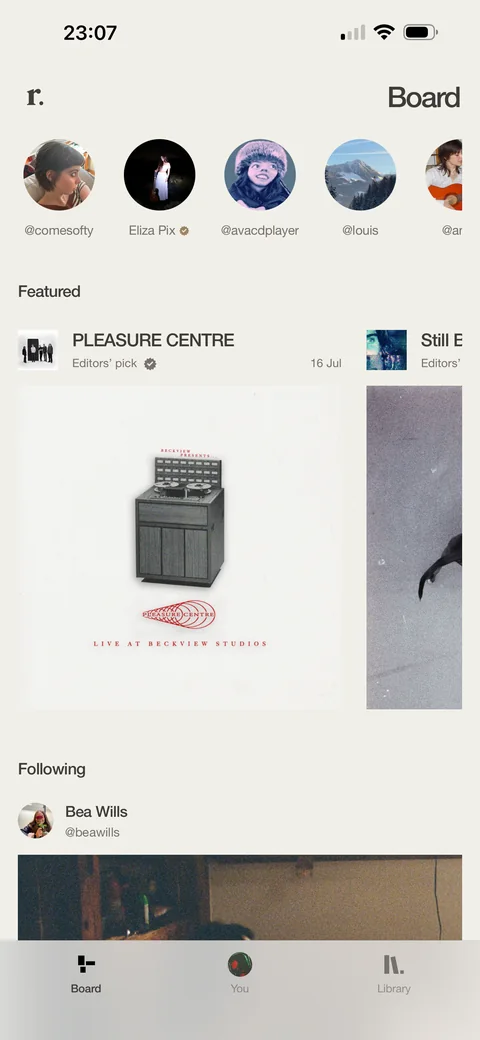
See what people are writing about.


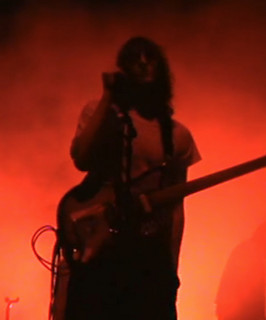


An eternal struggle against time. A concept only barely existing upon all of human abstraction. Taking more than it can give, its thievery is only recognisable in anguish after the fact. It’s only when a state has changed or a situation has dissolved that you realise the only physical record of past experience is what exists in your brain. Things Are Changing Too Quickly extracts and distills the torturous feeling that the unending, foreboding onslaught of time invokes. The pulp of which stimulates the sad and late recognition of a condition’s passing. Written by a man before he’d properly entered adulthood, it’s sort of a self referring antidote to the content it addresses, in that it stood the test of time within his creative endeavour. Is it autumn already?
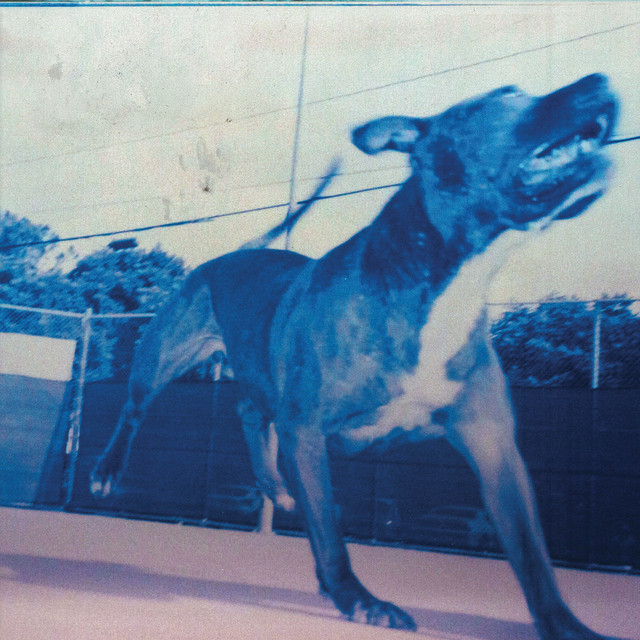
A sort of refuge for those once victim to their desires, wanting for love, that turns sour, inverted, ghoulish. The pace tugs you along, a cathartic journey of realisation… this ‘Love’ I wanted was duplicitous and tainted. Oh purify me, of these shared sins, and allow the loosening of its grasp to wash over me in a fury. But it does beg the question, where is the line drawn between passion and violence? I suppose you can only let your blunt intuition guide you to know: when it ain’t quite right.
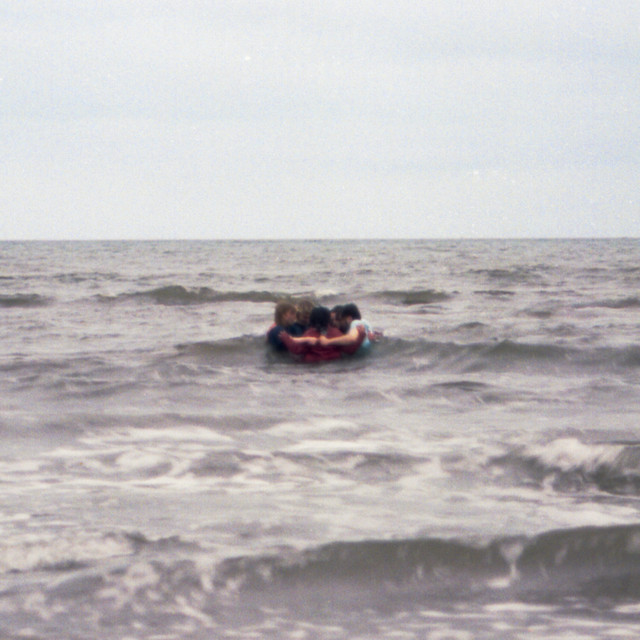
Pleasure Centre find ways to occupy your brain that other music is simply not tuned in to look for. In doing so, an unusually intense feeling is conjured, forcing your brain, out of unpreparedness, to draw upon nostalgia to soothe your discomfort. A medicine of homeopathic aggravation, making things temporarily worse to reveal a fix. In some cases, this method of cure will amplify the feeling as a consequence, rather than provide direct or instant resolution. All that’s left is to press rewind and listen once again.
 RhuneFree on iPhone
Any album, playlist or artist, track by track.
Just Drake and his guitar, no band or strings. There's one addition on the whole album and it's single piano line on this track.
“Now we rise and we are everywhere.” The line is carved on his headstone.
Pink MoonNick Drake, 1972
Stevie Nicks wrote it in about ten minutes, with a drum pattern and a cassette player, in Sly Stone’s old room at the Record Plant.
Lindsey Buckingham wrote it about Nicks, and she sang on it. She asked him to cut “packing up, shacking up”. He kept it.
RumoursFleetwood Mac, 1977
For 33 years it played slightly too fast. A tape machine had run slow at the first session.
The one track without Bill Evans. Wynton Kelly, who had taken his place in the band, plays piano.
Kind of BlueMiles Davis, 1959

For artists
Write about music. Free on iPhone.