
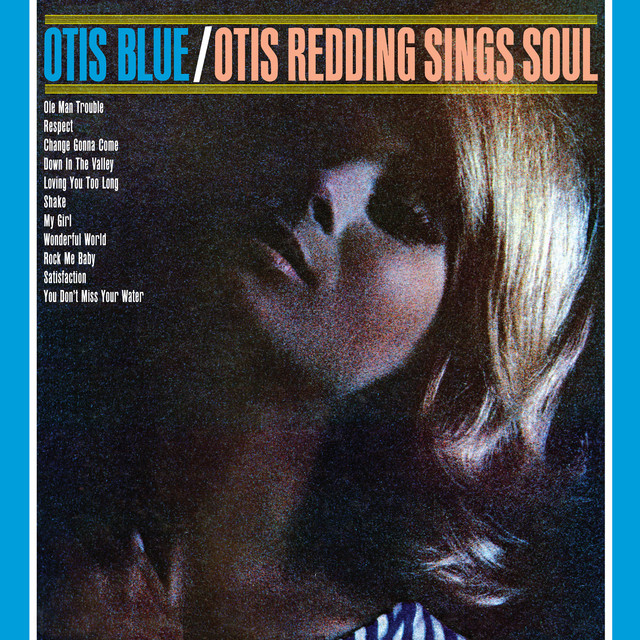
A Change Is Gonna Come
Otis Redding’s take on “A Change Is Gonna Come” feels deeply human. There’s strain in it, and a kind of tired hope. He sings it with real weight, like he has lived near the feeling for a long time. The arrangement helps by staying restrained. Nothing reaches too hard. The song just unfolds, and the emotion gathers on its own. What makes his version stick is the way he handles the vulnerability in it. He sounds rougher around the edges, which gives the song a different kind of power. The hope feels delicate, hard-won, still hanging on. That gives the whole thing its pull.
Down in the Valley
Otis Redding’s “Down in the Valley” has that late-night kind of sadness to it, soft around the edges but never vague. He does not force the feeling. He just lets it sit there in his voice, heavy and plainspoken, which makes it land harder. There is real tenderness in the way he sings it, but also loneliness, like he is trying to keep himself steady by staying close to the words. The whole thing feels unadorned in the best way. No big display, no reaching past the song. Just Otis, worn and warm, giving a simple old plea more depth than it usually gets. A nice detail is how patient he is with it. He leaves space in the performance, and that space does a lot of the work.
Shake
test
Listener note
testing note.
You Don't Miss Your Water
Otis takes the quiet ache of William Bell’s original and deepens it. His voice trembles on the refrain as if regret incarnate, aware the well ran dry long before he could bear to admit it. He sits beside you in a small room of remorse, with the slow breath of spare horn and organ cushioning his confession: "In the beginning you really loved me, but I was too blind". The Memphis-soul production is wound tightly around a single human failure. Each moment his voice cracks, the failure echoes, and you hear every promise unkept, every “I’ll change” unsaid, and the ghost of a man who once had exactly all he could wish for but lost it anyway. We're gripped by this internal furore because, in our human condition, we’ve been there too - and we lay to bathe in this regret alongside him. It remains for us one of his quietest, least flashy performances, yet one of the most devastating. A soul song stripped to its bones, delivered by a man who knew how to bleed into the microphone without ever whining. Sincerely, Rhune