
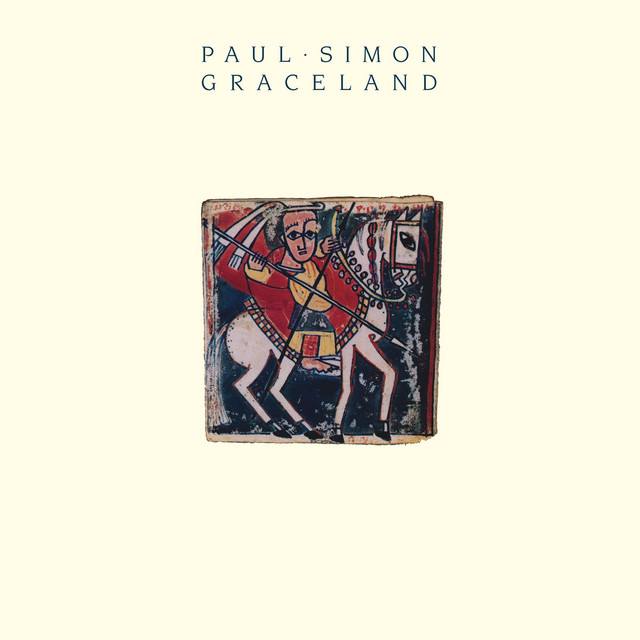

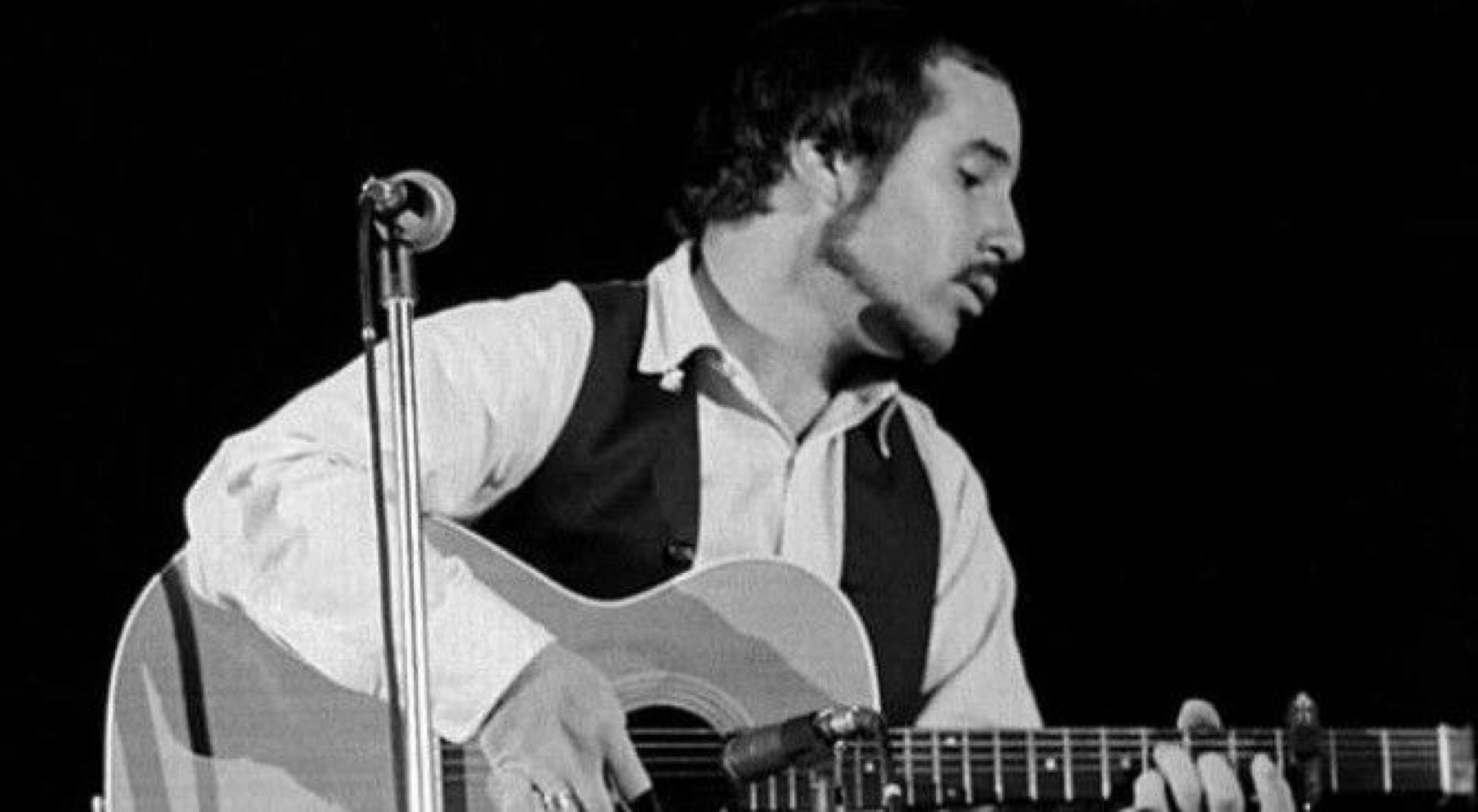
I'll start with the uncomfortable bit, because pretending it isn't there would feel dishonest. In 1985 Paul Simon flew to Johannesburg while the world was boycotting apartheid South Africa, and a lot of people thought he had no business being there. They weren't wrong to ask. But what he came back with was a record made alongside South African musicians rather than on top of them, and it carried their sound into living rooms that would never have heard it otherwise. I don't think Graceland answers the question it raises. I think it's one of the warmest, saddest, most generous albums I've ever heard, and I've stopped feeling like I need to choose between those two things.
It opens with an accordion. Forere Motloheloa plays it, and before Simon has sung a single word you already know this isn't the folk singer from Bridge Over Troubled Water anymore. Then the drum hits like someone slamming a door and The Boy in the Bubble gets going, this strange list of everything wonderful and terrifying about the modern world, bombs and lasers and miracle medicine all tangled together like a news broadcast nobody can turn off. What unsettles me is how calm he sounds. He isn't panicking. He's just noticing. It could have been written last week, and some days it's my favourite thing here.
Most days though, that's the title track. Graceland is about driving to Memphis with his son, but it's really about a man after a divorce trying to find somewhere that might put him back together, and not being sure why he thinks Elvis's house is that place. He just knows he has to go. Bakithi Kumalo's bass rolls under everything like tyres on a long empty road, and the Everly Brothers drift in on the harmonies like the ghosts of the music Simon grew up on. That image of the Mississippi Delta shining like a National guitar is about as close to perfect as a line in a song gets. And there's that idea in it, that losing love leaves you wide open, like someone took a window out of your chest and now everybody can see straight through. It's a heartbroken song that refuses to stop moving. I think that's why it means so much to me. It never wallows, it just keeps driving.
After something that heavy, I Know What I Know is almost a relief. General M.D. Shirinda and the Gaza Sisters bring this bright, chattering Shangaan sound, and Simon plays a slightly lost man at a party being quietly dismantled by a woman much cooler than him. It's funny, and he lets it be funny. Those voices behind him sound like they're having the best afternoon of their lives, which makes it hard not to grin.
Gumboots runs on a track by the Boyoyo Boys, and you can hear Simon almost jogging to keep up with them. The name comes from gumboot dancing, which started with miners who weren't allowed to talk underground and so spoke to each other through the slap and stamp of their boots. Once you know that the song changes shape a little. Simon's words are about a friend falling apart and a relationship going the same way, sung over music that sounds like pure joy, and I've come to love that mismatch. Life almost never matches its own soundtrack.
Then Diamonds on the Soles of Her Shoes, which begins with Ladysmith Black Mambazo singing on their own, and honestly I'd happily listen to just that opening forever. Joseph Shabalala's voices have something in them much older than any studio, and it's a genuine shock when the band crashes in and turns the whole thing into a fable about a rich girl and a poor boy, half fairy tale and half shaggy dog story. The horns, the bass, the giddiness of it. I always end up smiling without being quite sure what I'm smiling about.
You Can Call Me Al is the one everybody knows, and it earns it. It's a full blown midlife crisis, a man asking himself why he's gone soft and where his life went, set to the happiest horns anyone has ever put on tape. Right in the middle sits Kumalo's bass run, which might be one of the great moments in pop music, and the trick is that half of it is the first half reversed, so it's a palindrome. Once you know that you can't hear it any other way. Then the penny whistle comes skipping in like sunlight. People dance to this at weddings. I'm not sure many of them notice how lonely it is.
Under African Skies slows everything down. Linda Ronstadt sings with him, and their voices together are so gentle it almost hurts. The first verse follows a man called Joseph and the music he carries through his life, and the second moves to Tucson, Arizona, where Ronstadt grew up, so by the end the song has quietly joined two childhoods on opposite sides of the planet. It's about how the songs you hear when you're small get into your blood and never really leave. It's very easy to drift past this one. I'd ask you not to.
Homeless is the moment I go quiet every time. It belongs almost completely to Ladysmith Black Mambazo, sung partly in Zulu and written with Shabalala, with no band to soften anything. It's the most spiritual thing on the album and I think the bravest, because it trusts listeners who have never heard music like this to sit still and let it reach them anyway. Given everything about how Graceland came to exist, it matters to me that one song on it is so plainly theirs and not his.
Crazy Love, Vol. II is the shyest track here, a soft rolling song about Fat Charlie the Archangel, a man whose marriage is ending and who is trying to slip out of it with whatever dignity he can still find in his pockets. The guitars are so light they barely seem to touch the ground. Simon writes about divorce with this tired, crooked sense of humour, like someone who's told the story so many times it's stopped hurting quite so much. Almost stopped.
And then out of nowhere we're in Louisiana. That Was Your Mother brings in Good Rockin' Dopsie and the Twisters, all accordion and washboard and sweat, and Simon tells his son about the night he met his mother at a dance in Lafayette. It's cheeky and fond, a dad remembering when he was young and a bit daft and nobody's father yet. It's a good reminder that this was never only an album about Africa. It's about where American music actually comes from, and how far it travels to get there.
The last song, All Around the World or the Myth of Fingerprints, was recorded with Los Lobos, and it's worth knowing they've long said they never got the writing credit they were owed. That sits awkwardly next to everything else this record asks of us, and I don't think it should be skated over. Musically it's restless, a little strange, not the big tidy finale you'd expect. The thought it leaves behind is that we're far more alike than we let on, that most of the differences we build walls around are made up. Whether Simon had earned the right to say that is a fair question. But it's a good place to stop, and I'm glad he ends on something unresolved rather than pretending to have figured it all out.
I've listened to Graceland more times than I could count. It still sounds like a man who was lost, stumbling into a room full of people who knew exactly where they were, and having the sense to listen.
10/10
Comments
Sign in to comment