
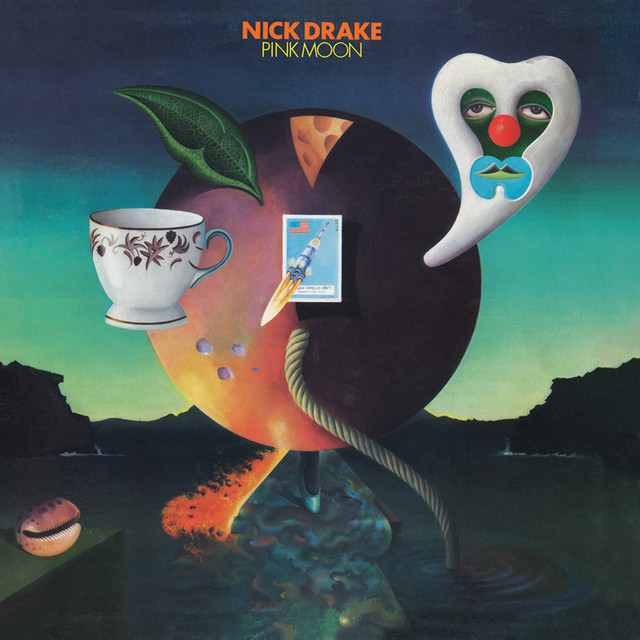
 Pink Moon
Nick Drake
Two Nights in October
On Pink Moon, the record Nick Drake made with a guitar, one piano line and almost nobody listening.

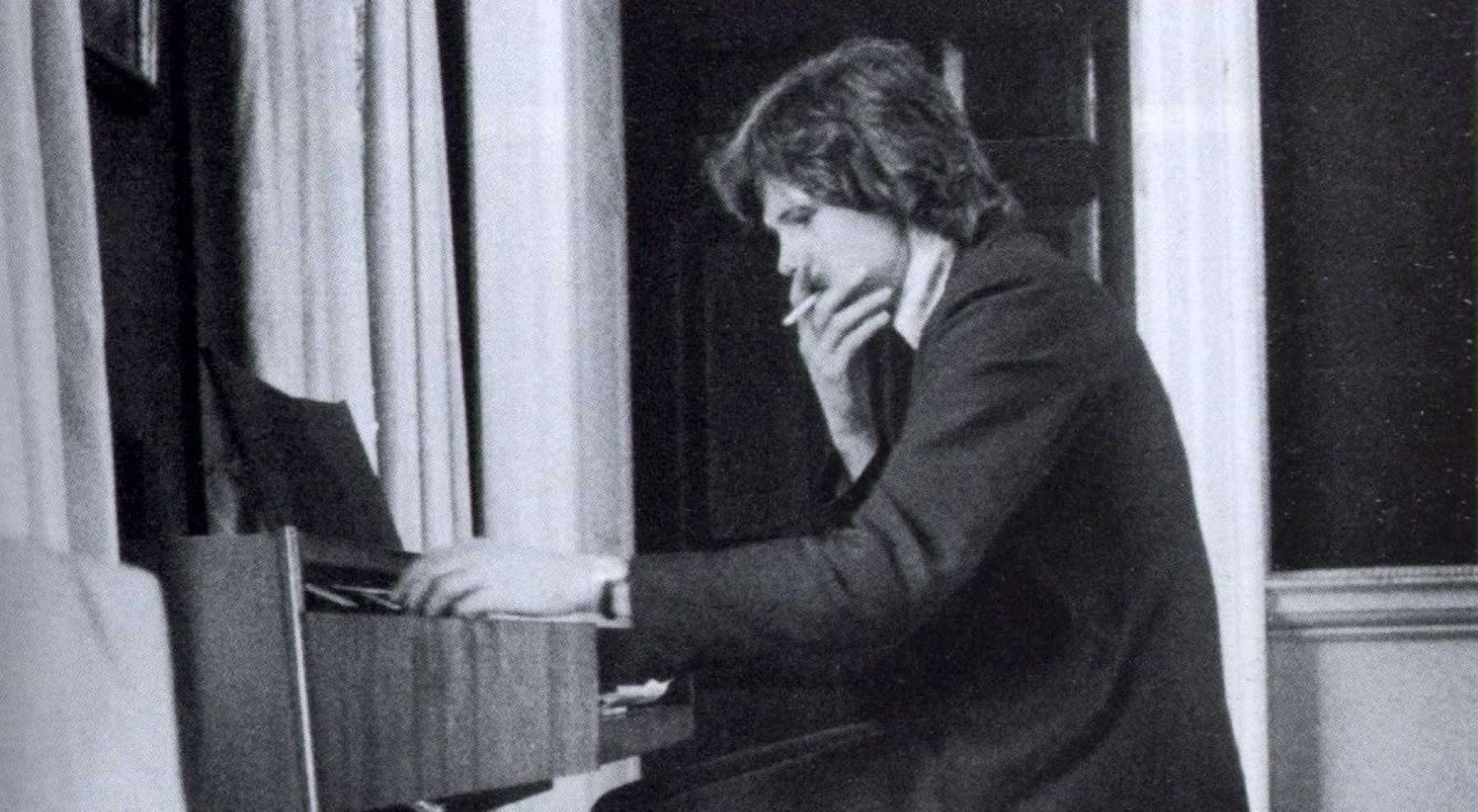
There's a story that Nick Drake finished Pink Moon, walked into Island Records, left the tapes at reception and went home without saying a word to anyone. It's probably been polished a bit over the years, the way these stories always are, but I understand why people keep telling it. It sounds like the album. Quiet, unannounced, handed over and then gone.
He recorded it in two late night sessions in October 1971 with the engineer John Wood, and there's almost nothing on it. No strings, no band, none of the lush arrangements that had wrapped around his first two records and failed to sell them anyway. Just Drake and his guitar, and in the whole album a single addition, a little piano line laid over the opening track. It's under half an hour long. I've heard records three times its length that say less.
Pink Moon itself opens things, and that piano sneaks in so gently you could miss it on a first listen. The song keeps warning you that a pink moon is on its way, and it never quite says what that means. Something coming for everyone, I think. Something you can't stop. He sings it almost cheerfully, which is what makes it so unnerving. A lot of people know it now from a car advert at the end of the nineties, which is a strange afterlife for a song this private, but if that's how it reached them then I can't be too sniffy about it.
Place to Be is where the album first really breaks your heart. He looks back on being younger and stronger, and on how much darker things have become since, and he does it without any self pity at all, just plainly, like he's describing the weather. The guitar is so clean and so carefully played that you can hear his fingers moving. It's the sound of someone being completely honest because they've run out of the energy to be anything else.
Road is tougher, a little more stubborn. The picking is relentless, almost hypnotic, and the song seems to be about two people who see the world in completely different ways, one hopeful and one not, and Drake knowing full well which one he is. There's a sort of defiance in it. He isn't asking to be cheered up.
Which Will is one of the loveliest things he ever wrote, and also one of the loneliest. It's a series of questions to someone he loves, about who she'll choose and where she'll go, and none of them are ever answered. That's the whole song, really. Asking, and asking, and getting nothing back but your own echo.
Then Horn, which barely lasts a minute and has no words at all. Just a few notes left hanging in the air with a lot of silence between them. Some people treat it as filler. I think it's the album holding its breath.
Things Behind the Sun is the longest song on the record and probably the most ambitious. It's an older song he'd played live for years before he finally put it down here, and you can tell he'd lived with it. It feels like advice, almost, about not letting people fool you and looking for what's hidden behind the obvious, but it's advice from someone who hasn't managed to follow it himself. The guitar part is extraordinary. I still can't work out how one person plays all of that.
Know is barely there, a handful of lines over a riff that circles round and round and never resolves. It's repetitive in a way that starts to feel claustrophobic, like a thought you can't get out of your head at three in the morning. I find it genuinely uncomfortable, and I think it's supposed to be.
Parasite might be the most painful song on the album, because it's the one where he turns on himself. He sings about travelling down on the Northern Line and about being a parasite, someone who takes from the world without giving back, and you get the sense that's genuinely how he saw himself by then. It's hard to listen to knowing what came after. It's also impossible to stop listening to.
Free Ride lifts a little. The guitar is livelier, nearly bluesy, and he seems to be pleading with someone to drop the act and show who they really are. There's more push in his voice here than almost anywhere else, as if for a few minutes he's found a bit of fight.
Harvest Breed is over almost before it starts, a tiny strange song about falling and fading that feels like something overheard rather than performed. It's eerie, a shadow before the last song comes in.
And then From the Morning. My favourite, and maybe my favourite thing he ever recorded. After everything that's come before it, all that darkness and doubt, the album ends on something that sounds almost like hope. It's full of mornings and open skies and the feeling of the world being bigger and kinder than you'd allowed yourself to believe. There's a line near the end about rising up and being everywhere, and those words are carved on his headstone in the churchyard at Tanworth in Arden. I don't think I've ever been able to hear that line without something catching in my throat. It's the last thing on his last record, and it's the brightest.
Drake died in November 1974, at twenty six, from an overdose of the antidepressants he'd been prescribed. The coroner ruled it suicide, though his family have always wondered if it was really meant. He never got to see anyone care about these songs. Pink Moon sold almost nothing when it came out, and he'd more or less given up on being heard by the end.
That's the part I keep coming back to. It isn't just that the album is sad, though it is. It's that he made something this beautiful while believing nobody would ever really listen, and he was wrong. People listen now. They find it at nineteen, or at forty, usually at night, usually when they need it. He's everywhere, in the end, just like the song said.
10/10
Comments
Sign in to comment