
"Between the Bars": The Seductive Voice of Addiction
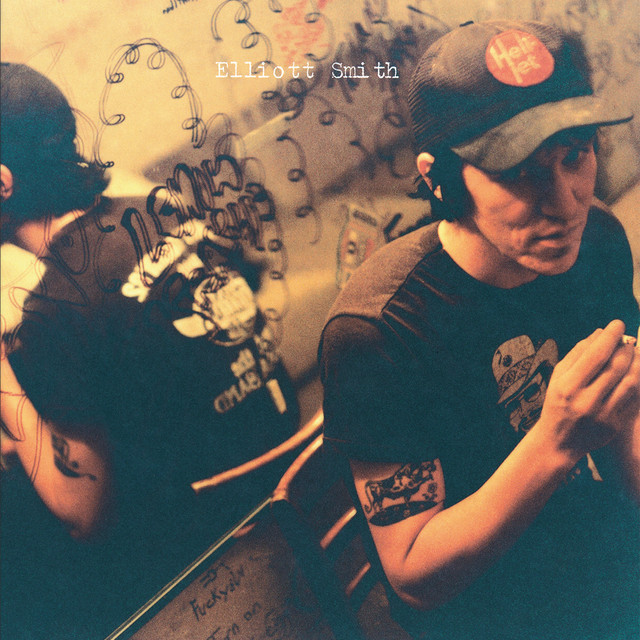
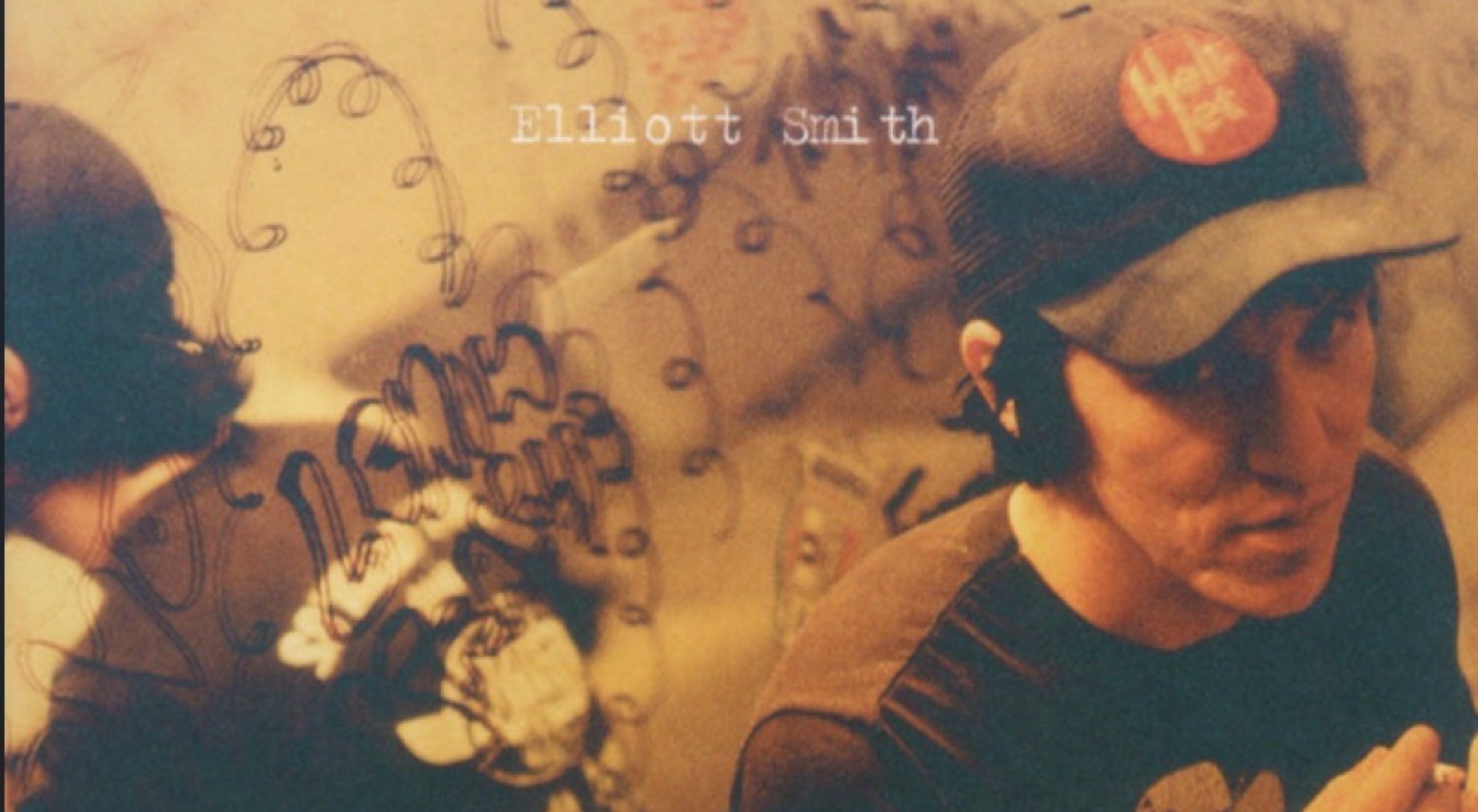
The most popular track from Either/Or, mainly due to the mainstream success of the movie Goodwill Hunting in which the song was featured, “Between the Bars” is written from the perspective of alcohol to the alcoholic. The opening lines of the song established by Smith’s intimate whisper create a seductive tone:
“Drink up, baby, stay up all night
With the things you could do, you won’t but you might
The potential you’ll be that you’ll never see
The promises you’ll only make”
(Smith “Between the Bars”)
The song represents Kierkegaard's aesthetic view, promising possibility without commitment, “things you could do, you won’t but you might” (Smith “Between the Bars”). The potential self, the self that can be realized when the drink is set aside, yet it remains a self that is pondered upon with each drink. Each drink postpones the realization of the self, with each drink promising that the self will be attainable. The opening lines of the song, while serving as a very obvious parallel to alcoholism, serves a similar parallel to other forms of drug abuse or addiction. The decade which Smith writes from is plagued with people chasing habits that serve a similar function as alcohol does in the opening lines of this song. This is Smith’s quiet confession; Alcohol serves as a bridge in which he can almost tangibly reach himself but is ever so far away from reaching. This is precisely the structure of despair that Kierkegaard describes. The aesthete “despairs of the eternal” not by denying it but by deferring it indefinitely (Kierkegaard 198). Smith’s lyric captures this deferral perfectly: “The potential you’ll be that you’ll never see.” The self that could exist is always visible but never actual ( “Between the Bars”). The promise is made only to be broke
The chorus of this song intensifies how alcohol seduces Smith and offers him comfort.
“People you've been before
That you don't want around anymore
That push and shove and won't bend to your will
I'll keep them still”
(Smith “Between the Bars”)
The voice of addiction offers the ultimate promise for an aesthete - "I'll keep them still” (Smith “Between the Bars”). It is a promise that guarantees comfort. The drink is comforting Smith in the short run, however in the long run Smith knows that he'll never truly be happy, as the song returns to its opening lines after this chorus. Again, there is this return to the Kierkegaardian theme of detachment from one’s ideal self. The opening verse repeating after every chorus represents how Smith understands that to quiet his past and find comfort with his addiction, he must deal with an existential despair. He repeats the chorus after the verse one more time ending the song with the line “I’ll keep them still” (Smith “Between the Bars”). It becomes very obvious that Smith decides to continue on with his addiction as the comfort he finds momentarily outweighs his need to grow out of his addiction to overcome the eventual despair he knows he will eventually meet. The cycle serves as despair, or rather imprisonment. It is a fitting conclusion to come to, as the title is “Between the Bars” referencing being between bars drinking as well as being behind bars in a prison. Ultimately, the song encompasses the concept of despair in a Kierkegaardian sense: one in which despair is internalized due to a conscious series of choices that prioritize short term gratification over a true satisfaction.
"Ballad of Big Nothing": The Boredom of Endless Possibility
If “Between the Bars” presents a seductive voice of addiction, “Ballad of Big Nothing” presents the consequence: the boredom that follows from the refusal of commitment. The song's protagonist drifts through life, unable to choose a direction and is plagued by the thought of it. However, the spread of aimlessness is contrasted with a poppy tune, an “anti-anthem” as Richey describes it (22). The song is very abrasive with how it approaches hedonism:
“You can do what you want to whenever you want to
You can do what you want to there's no one to stop you
Now you can do what you want to whenever you want to
Do what you want to whenever you want to
Do what you want to whenever you want to
Though it doesn't mean a thing
Big nothing”.
(Smith “Ballad of Big Nothing”)
By repeating “do what you want to whenever you want” it is clear Smith is referencing how the protagonist of the song is living out life for the immediate gratification (“Ballad of Big Nothing”). For example, in another verse Smith sets up a scene in which the protagonist is “getting into the back of a car for candy from some stranger” (“Ballad of Big Nothing"). It is obvious that the protagonist is doing whatever they want for this gratification, but as Smith says, “ it doesn't mean a thing, big nothing” (“Ballad of Big Nothing”). The song ends on the harmonic resolution with Smith saying “big nothing”, which highlights the resolution of the protagonist. Smith knows that hedonistic pursuits ultimately lead to an emptiness that cannot be described more than what is - empty. This is the despair Kierkegaard describes. What validity does one’s life have if one has no commitment to the passions which detail their life. There is no conclusion in this framework of an aesthetic view. The only conclusion is understanding that hedonistic pursuits lead to a “big nothing”
Judge B, in Kierkegaard’s text, describes the aesthete’s condition in strikingly similar terms: “Your life is like a child’s scribble on a wall—full of starts and stops, lines that go nowhere, shapes that promise meaning and deliver only more lines” (Kierkegaard 287). The aesthete’s life is a “ballad of big nothing”—a song that promises significance but delivers only the echo of its own emptiness. Smith’s choice of the word “ballad” is significant here. A ballad traditionally tells a story with a beginning, middle, and end. But the “ballad of big nothing” tells no story; it merely repeats its own inability to conclude.
"No Name No. 5": The Refusal of Relationship
One of the most overlooked tracks on Either/Or stands as a stark contrast to the rest of the tracks harmonically. This song, unlike the other tracks, utilizes many dissonant clashes between chord changes. It envelopes a feeling of something that is lost - an anxiety that does not rest. As the guitar starts the song, Smith whispers his first verse:
“Got bitten fingernails and a head full of the past
And everybody's gone at last
Sweet, sweet smile that's fading fast
'Cause everybody's gone at last
Don't get upset about it, no, not anymore
There's nothing wrong that wasn't wrong before
Had a second alone with a chance let pass
And everybody's gone at last.”
(Smith “No Name No.5”)
The first verse references “bitten fingernails” and a “head full of the past”; these objects are a metaphor for anxiety (Smith “No Name No.5”). Smith is lyrically continuing the anxious feeling brought by the harmony of the chords. The verse continues on: “sweet smile that’s fading fast / ’Cause everybody’s gone at last” (Smith “No Name No.5”). While Smith is reminiscing of the past, his anxiety seems to be driven by thoughts of people leaving, evident by how his “sweet smile” fades due to everyone leaving (“No Name No.5”). But this scene can be read alternatively if we shift perspective. Kierkegaard’s midnight hour references the masks people wear to blend into society:
“Do you not know that there comes a midnight hour when every one has to throw off his mask? Do you believe that life will always let itself be mocked? Do you think you can slip away a little before midnight in order to avoid this? Or are you not terrified by it? I have seen men in real life who so long deceived others that at last their true nature could not reveal itself;... In every man there is something which to a certain degree prevents him from becoming perfectly transparent to himself; and this may be the case in so high a degree, he may be so inexplicably woven into relationships of life which extend far beyond himself that he almost cannot reveal himself. But he who cannot reveal himself cannot love, and he who cannot love is the most unhappy man of all” (146).
Perhaps the “sweet smile” is the mask Smith wears around his peers (“No Name No.5”). If we consider the anxieties held by Smith in the beginning of the verse, it can be read that the smile he holds covers the anxieties that flutter around his head. The smile fades because everyone is “gone at last” (Smith “No Name No.5”). The “at last” part of the line means that the smile is an act that he holds around others, but he truly holds an indifference, or rather a depression that manifests fully when he is truly alone. The midnight hour has come: in a Kierkegaardian sense, “No Name No.5” represents the mask slipping away. Furthermore, “at last” also means a relief that comes with his mask dropping. Social connection is an exhaustive task for Smith in which he forces a smile to prolong it.
The song is formed in two verses: the first, a somber opening crashing an anxious wave with the opening chord; the second, a more upbeat and more heavily produced development of the first with the same harmonic undertones. The first verse shows the dropping of the mask, and the anxiety holding the mask creates. The second verse gives an insight to Smith’s truth in regard to social connections:
“I hope you're not waiting, waiting 'round for me
'Cause I'm not going anywhere, obviously
Got a broken heart and your name on my cast
And everybody's gone at last
Everybody's gone at last”
(Smith “No Name No.5”)
The verse creates an inexplicable distance: “I hope you're not waiting, waiting ‘round for me” (Smith “No Name No.5”). This line serves as a wall Smith creates between his past relationship. Perhaps it was the anxiety he covered with his ‘mask’ in the first verse. Even though this wall has been built, Smith is quick to note that “[he’s] not going anywhere, obviously” - meaning Smith has not grown past his breakup (“No Name No.5”). He affirms that he is still attached to the relationship with his” broken heart and [her] name on [Smith’s] cast”. However he still finds solace in his solitude as the song concludes “[e]verybody's gone at last “. It is clear past relations dwell heavy on Smith’s mind, but he has this inexplicable need to find solitude. This need is a product of the aesthetic life, the life which Smith is painfully aware he leads. Smith has accepted the fact that he cannot be in a relationship due to his fear of commitment. The refusal of relationship is kierkegaardian, as the aesthete finds themselves alone in their despair at the end of the road.
Comments
Sign in to comment